SLURRY
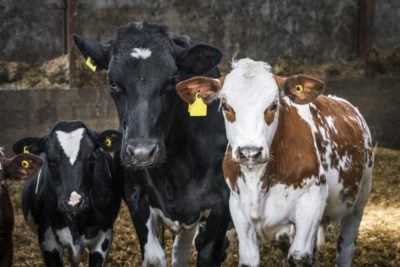 From an economic point of view, manure is interesting because of the plant nutrients it contains. It is a mineral and organic fertilizer, so it is advisable to use it on agricultural land. In this way, the manure is included in the natural circulation of organic matter. By adding bentonite to the slurry, we obtain a high-quality organic mineral fertilizer, which contributes to quality and savings.
The nutrient content of animal manure depends on the type of animal, the farming method, and the nutrient content of the fodder. Of course, this proportion also depends on dilution with water. The nutrient content ranges are very large in practice. Therefore, we recommend that farmers have their liquid fertilizers analyzed at least occasionally. The samples must be taken by a qualified person and delivered to the laboratory in the refrigerator. The nitrogen analysis (total and ammonia) must be made in a fresh sample.
Slurry is created from cow manure and water and provides a fantastic, natural fertilizer that farmers can use to encourage the growth of grass and other crops. Agriculture contributes more than 95 percent of ammonia emissions.
With our ProAmonia product, we want to reduce ammonia emissions from food fertilizers, because in addition to the fact that ammonia can irritate the respiratory organs of humans and animals, it also contributes to eutrophication. It is a process when a body of water becomes overly enriched with minerals and nutrients which induce excessive growth of algae. This process may result in oxygen depletion of the water body. One example is an “algal bloom” or great increase of phytoplankton in a sandy body as a response to increased levels of nutrients. Eutrophication is often induced by the discharge of nitrate or phosphate-containing detergents, fertilizers, or sewage into an aquatic system. When mixing manure and bentonite, we do great benefit to the environment and animals, and prevent the formation and intrusion of ammonia into water sources. The fertilizer obtained in this way develops the intensive biological activities necessary for crop development, while at the same time having the possibility of a 90-day gradual release of nutrients and improving the efficiency of stable manure or slurry by 50 percent. By using ProAmonia, the stench is also reduced by 75 to 90 percent. The resulting odor is less aggressive, less intense, and disappears faster.