Have you ever wondered which scents cats adore and which scents don’t please their snout? All of us who have pets at home know how curious our furry friends can be!
Below we reveal what scents and flowers you can have in your apartment, and which ones are wise to avoid if you want you and your cat to be happy.
Some flowers look harmless until your pet eats them. Although it is recommended the flowers to be kept out of the reach of your cats, some scents pamper their sense of smell, others irritate them.
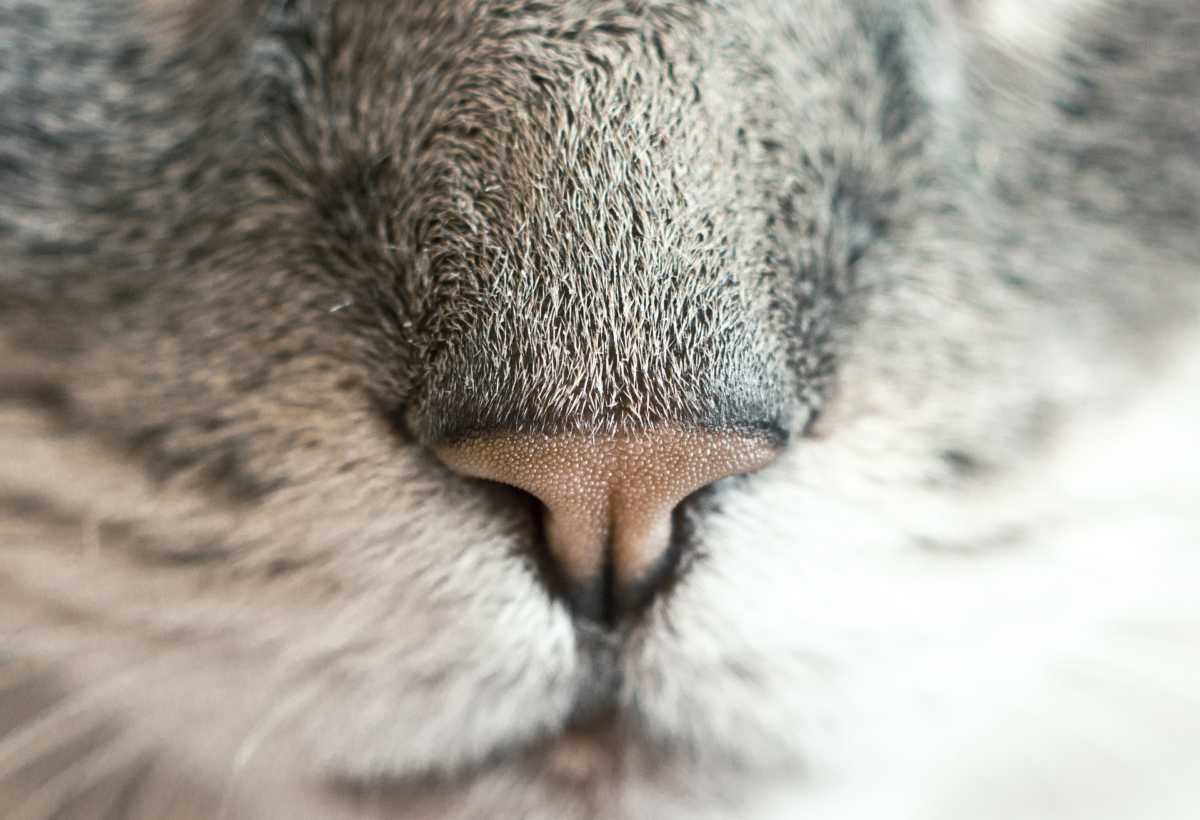
Cats have a highly developed sense of smell, even more so than some breeds of dogs – and 14 times more than humans, which allows for a very intense sense of smell.
If you are one of those people who keeps your home fragrant, in this article, we present you with some scents that attract cats. We can assume that odors do not cause the same effect in all cats. Some may have the opposite effect and we will also explain why.
Catnip
The biggest cat lover is definitely the Catnip (Nepeta cataria). The active ingredient found in the composition of the plant has a strong narcotic effect on cats, which stimulates their mind and play.
It is important to note that catnip attracts only two out of three cats. If you feel that your cat is not affected by this smell, you should try silver vine or valerian root, which are equally popular cat lures.
Olive
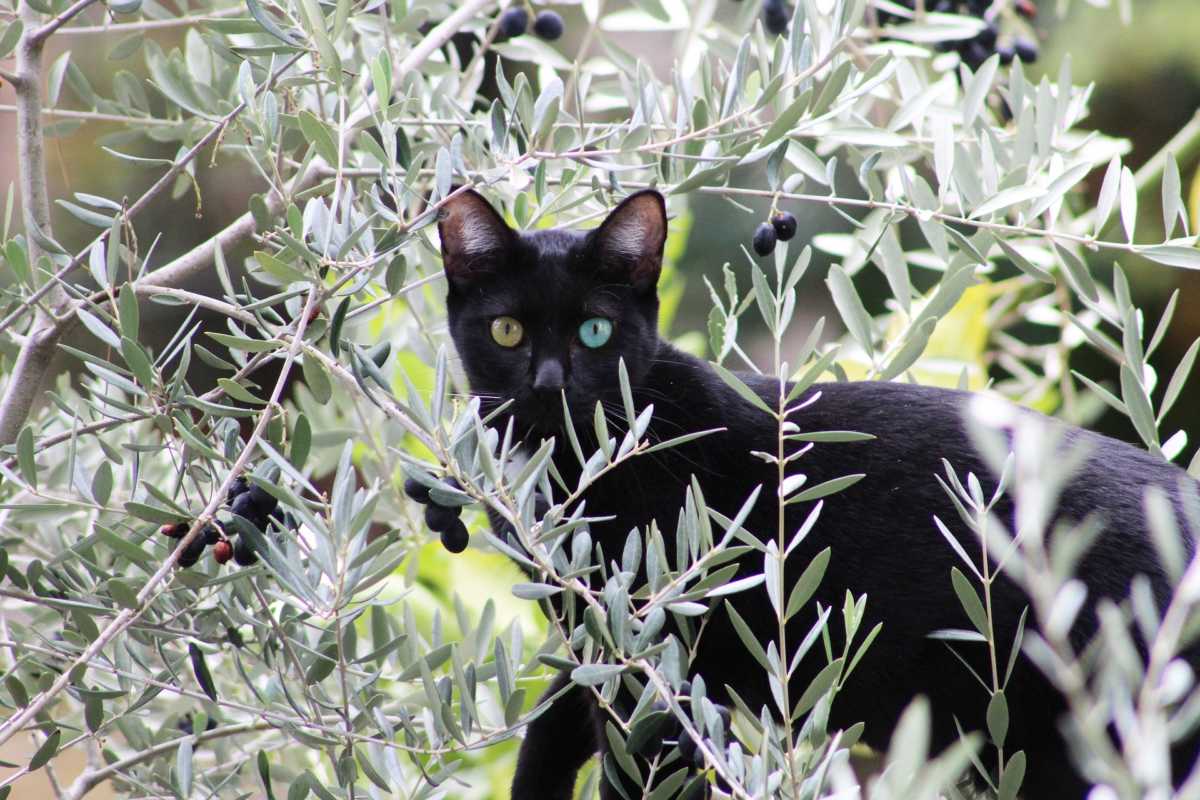
Olive, which is considered another cat scent, also creates a narcotic effect that changes the cat’s behavior. This is because one of the most active ingredients in olive leaves and trunk is a substance called oleuropein. As with catnip, when a cat detects this odor, it usually rubs, licks, eats its leaves, and shows a more active attitude.
Lavender
The aroma of lavender also attracts cats, but not as strongly as, for example, catnip or olive. If your furry companion is one of those cats who love this scent, you can use it to promote a state of relaxation. Especially in cases of anxiety and low levels of aggression, the use of this natural therapy, along with other relaxing factors and discovering the cause of the problem, has been shown to help the animal feel much calmer.
Cats (in principle) do not like essential oils. Because their scent is so strong, any essential oil can be too strong for them. Don’t be too heavy with scents that are supposed to soothe your pets. If used in a diffuser or heavily diluted, it can mimic the pleasant smell of fresh lavender.

Eating the plant is toxic to the cat. It is important that the cat cannot eat the flowers or leaves.
Thyme
Thyme is not only one of the scents that attract cats, but it is also one of the most beneficial for them. Thanks to its soothing and anti-inflammatory properties, when prepared in the form of an infusion or tea, it helps with irritated and inflamed eyes in cats. This means that it can help relieve symptoms such as conjunctivitis or certain allergies.
On the other hand, its aroma acts as a natural relaxant and therefore promotes calm in the cat. To do this, you better use thyme essential oil or buy this aromatic plant. However, as with lavender, thyme may not be as effective as not all cats are attracted to its scent.
Mint, basil and peppermint
The next three scents are mint, basil, and peppermint, all plants part of the same family as catnip. It’s no surprise, then, that the aroma of these plants, so often used for cooking, is also one of the scents that cats love.
Fruity and floral aromas
Many cats feel trapped due to the intense scent of some flowers such as roses, daisies, and lilies. You should know that some of them are very toxic if ingested, for example, the last two mentioned. In this case, it is better to keep cats away from the actual plant to avoid possible poisoning.
Fruits such as strawberries, peaches, or watermelons emit very pronounced and intense aromas that quickly attract the attention of cats. In this sense, some scents can certainly attract cats and encourage them to try the food. Many of them have even more benefits for their body, such as antioxidant, cleansing and diuretic properties, as well as fiber and lots of vitamins. However, not all fruits are attractive to these animals, as citrus fruits give off a really unpleasant smell to them.
What scent is your cat’s favorite?